
Herbal Medicine vs. Conventional Medicine: A Comparative Analysis


Understanding Herbal Medicine
Herbal medicine, often referred to as botanical medicine, involves the use of plants and plant extracts to treat ailments and promote health. This practice dates back thousands of years and remains a cornerstone of many traditional healing systems around the world, including Traditional Chinese Medicine and Ayurveda.
Proponents of herbal medicine often highlight its natural origins, suggesting that these treatments are safer because they are less processed and more in tune with the human body. However, it's important to note that "natural" doesn't always mean risk-free. The effectiveness and safety of herbal remedies can vary depending on the plant's species, parts used, and preparation methods.

The Science Behind Conventional Medicine
Conventional medicine, often called Western medicine, relies on scientifically tested methods to diagnose and treat diseases. It is characterized by the use of pharmaceuticals, surgeries, and advanced medical technologies. The foundation of conventional medicine is evidence-based practice, meaning treatments and interventions are supported by rigorous research and clinical trials.
One of the key strengths of conventional medicine is its ability to rapidly advance and adapt to new scientific findings. This adaptability has led to significant breakthroughs in treating once-fatal diseases. However, critics argue that conventional medicine can sometimes focus too heavily on treating symptoms rather than addressing underlying causes.

Benefits and Limitations of Herbal Medicine
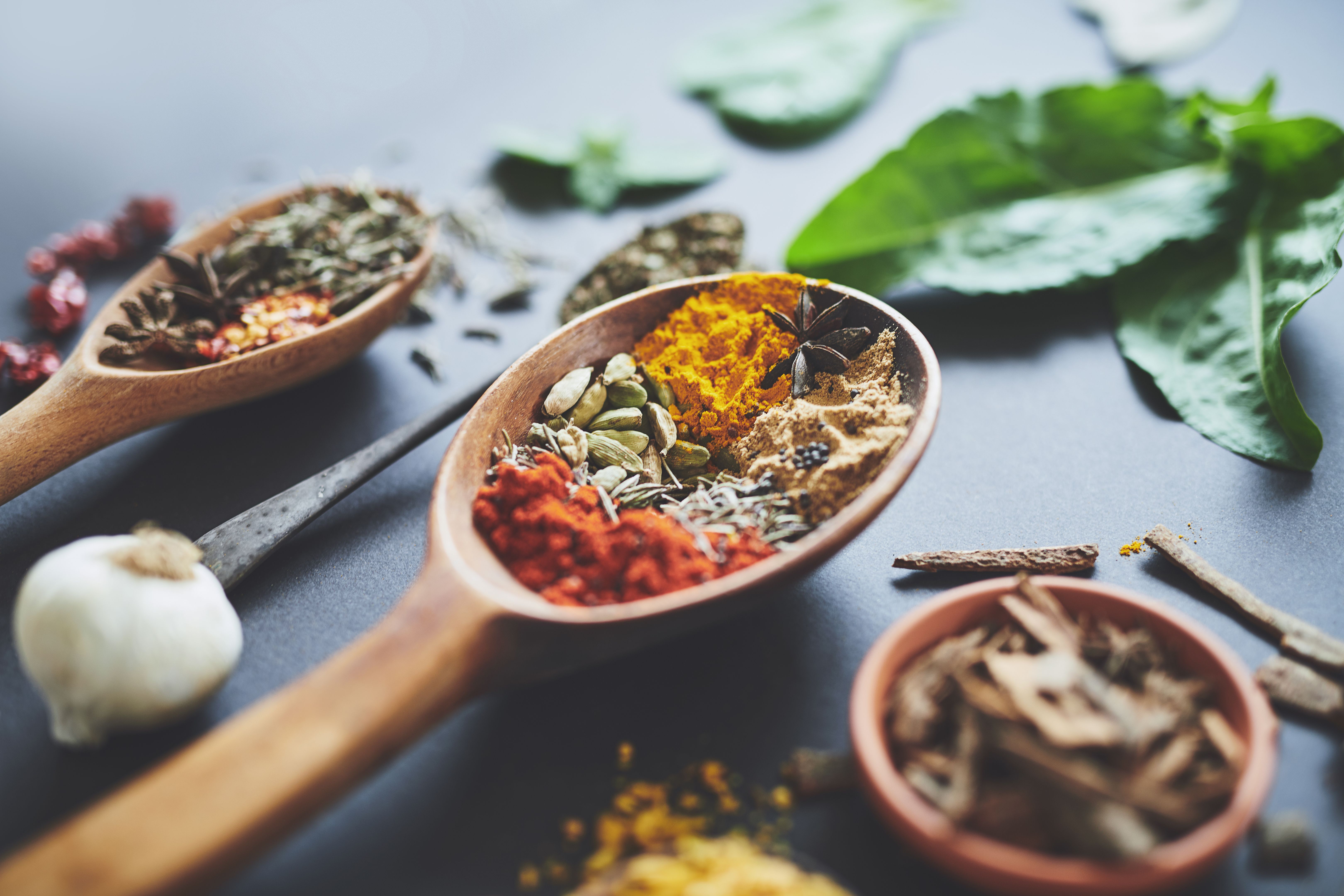
One of the primary benefits of herbal medicine is its holistic approach to health. Many herbal remedies aim to balance the body and promote overall well-being rather than just targeting specific symptoms. Additionally, herbal medicine is often more accessible and affordable compared to conventional treatments.
However, there are limitations to consider. The lack of standardization and regulation in the herbal industry can lead to inconsistent quality and potency. Moreover, some herbs can interact with prescription medications, leading to adverse effects. It's crucial for individuals considering herbal treatments to consult with healthcare professionals before starting any new regimen.
Strengths and Weaknesses of Conventional Medicine
Conventional medicine excels in acute care and emergency situations. Its ability to provide immediate relief through medications, surgeries, and other interventions is unparalleled. This approach has been instrumental in reducing mortality rates for numerous conditions.
However, conventional medicine is not without its drawbacks. It can be costly, especially in countries without universal healthcare. Additionally, the focus on pharmaceutical interventions can sometimes lead to overmedication or dependence on drugs with significant side effects.

Integrating Both Approaches
For many individuals, the most effective healthcare strategy involves integrating both herbal and conventional medicine. This integrative approach seeks to combine the strengths of each system while minimizing their weaknesses. For instance, herbal remedies might be used to support overall health and prevent disease, while conventional medicine is employed for acute conditions or emergencies.
Collaboration between practitioners of both modalities can lead to more comprehensive care plans tailored to individual needs. It's essential for patients to communicate openly with their healthcare providers about all treatments they are using or considering.

Conclusion
The debate between herbal and conventional medicine is complex and nuanced. Each has its unique advantages and limitations, making them suitable for different situations and individual preferences. By understanding the strengths of both systems, individuals can make informed decisions about their healthcare.
Ultimately, the choice between herbal and conventional medicine should be guided by a thorough understanding of one's health needs and a collaborative relationship with healthcare providers. This balanced approach promises a more personalized and effective path to wellness.